English| EUR
Suggested for you
More currencies
Choose a language
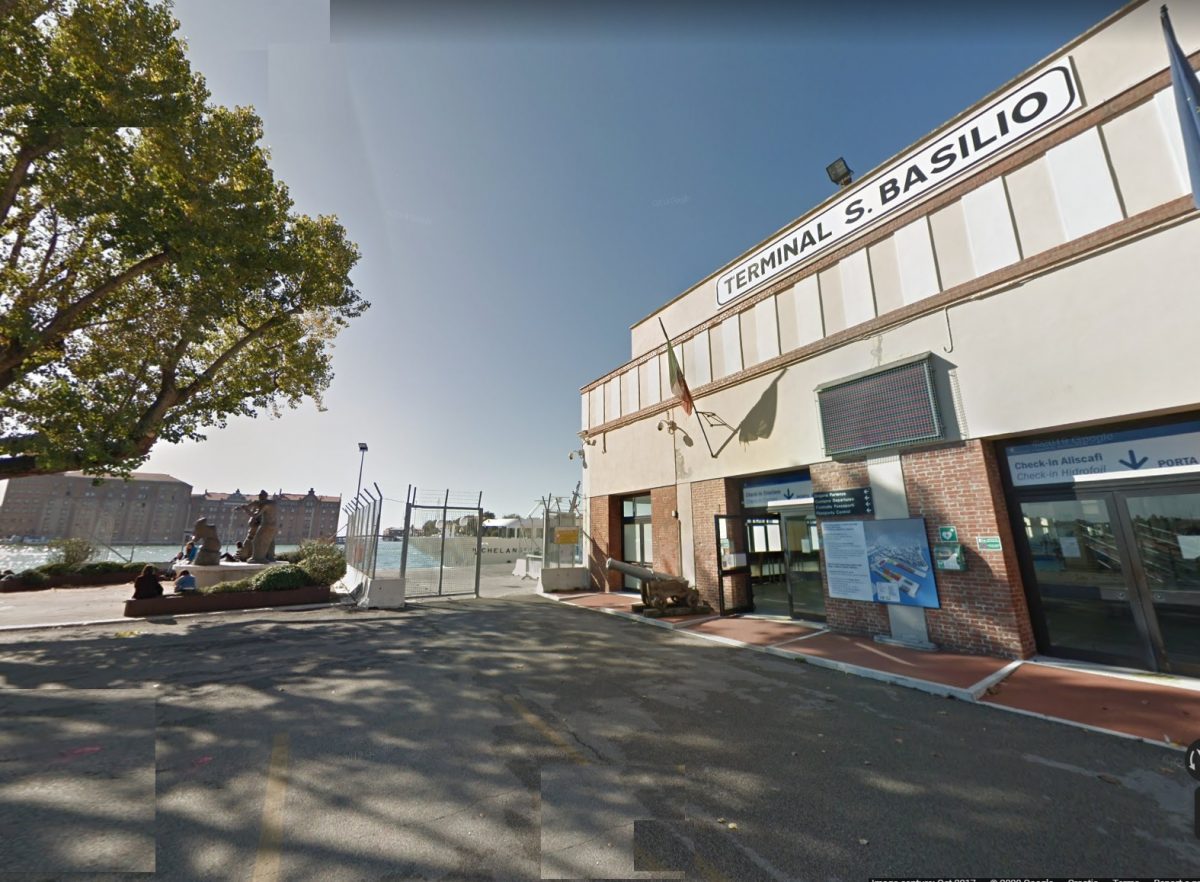
The Adriatic crossing from the Croatian coast to Venice connects Istrian ports—Poreč, Rovinj, and Pula—with San Basilio Terminal on the western edge of Dorsoduro. Seasonal passenger ferries operate between late spring and early autumn, typically three to four hours at sea depending on departure point. This guide covers routes, arrival procedures, and what to prepare before boarding.
Quick answer
Ferries to Venice from Croatia depart from Poreč, Rovinj, and Pula during the high season, typically May through September. Crossings range from 2.5 to 4 hours and arrive at San Basilio Passenger Terminal in Dorsoduro. Services are operated by private carriers with varying schedules; most run two to four times weekly. Tickets are purchased directly from operators, and passengers must clear EU border formalities at the terminal upon arrival.
Croatia joined the Schengen Area in 2023, eliminating passport controls for most travellers crossing the northern Adriatic by sea. That administrative shift turned the Istrian ferry corridor into one of the cleanest car-free connections between Central Europe and the Venetian lagoon. Yet the seasonal nature of the service—and the logistical split between multiple private operators—means planning remains essential. The three active departure ports lie along Istria's western coast. Poreč sits roughly 150 kilometres south of Trieste and offers the shortest crossing, typically landing passengers at San Basilio in under three hours. Rovinj, twenty kilometres farther south, extends travel time by thirty to forty-five minutes but serves a larger tourist catchment. Pula, at the peninsula's southern tip, runs the longest route at close to four hours but connects with Croatia's best-served regional airport and bus network. Each port operates independent ticketing; no through-fare or multi-leg passes exist. San Basilio Terminal occupies a working waterfront west of the Zattere promenade. Unlike the cruise piers at Marittima or Tronchetto, San Basilio handles smaller vessels and maintains a more pedestrian scale. The terminal building offers limited amenities—ticket counters, restrooms, and vending machines—but the waterbus network lies five minutes' walk east along Fondamenta San Basilio. Line 2 and the Giudecca routes provide the fastest onward connections to San Marco and the Rialto districts. Capacity on Adriatic passenger ferries remains modest. Most vessels carry between 200 and 400 passengers, and midsummer sailings fill weeks in advance. Operators open online booking windows ninety days out; securing a reserved seat for July or August departures typically requires action in April or May. Walk-up availability exists on shoulder-season crossings in late spring and early autumn, but boarding is never guaranteed without advance purchase. The terminal operates daily from 08:00 to 18:00 during the ferry season, with early-morning and late-afternoon arrivals clustered to match departure rhythms from the Istrian ports.
“Croatia's Schengen entry in 2023 eliminated passport controls and turned the Istrian ferry corridor into one of the cleanest car-free links to the Venetian lagoon.”
Ferries from Croatia arrive at the San Basilio Passenger Terminal, located along the Giudecca Canal in the Dorsoduro district. The terminal is accessible via Venice's public water bus network, known as the Vaporetto.
ACTV Line 2 to San Basilio stop
From Zattere stop to San Basilio
Water taxi to San Basilio Terminal
For international ferry arrivals, proceed directly to the designated security screening area within the San Basilio Passenger Terminal. Early arrival is recommended for international port security and boarding procedures.
Ferry services from Croatia to Venice are seasonal, typically operating between April and October. To ensure efficient processing through the San Basilio Passenger Terminal, the best arrival window is 08:00–09:00.
Mild, 12°C–18°C
These shoulder months offer cooler temperatures and lower passenger volumes compared to peak summer.
Warm, 18°C–25°C
Expect consistent schedules and busier terminals as tourism peaks during these transition periods.
Hot, 25°C–30°C+
High-season operations involve maximum ferry frequency and high demand at terminal security checkpoints.
—
Arriving between 08:00–09:00 facilitates smoother international security and boarding procedures.
Verdict: The best period for travel is April or October, arriving at the terminal between 08:00–09:00 to avoid peak daily congestion.
The San Basilio Passenger Terminal operates on a consistent daily schedule to accommodate arrivals for ferries traveling from Croatia to Venice.
Access to the San Basilio Passenger Terminal area is free for all travelers. The actual cost of your journey depends entirely on the ferry operator and the specific ticket type selected for your crossing.
Verdict: Passengers pay 0 EUR for terminal access, while ferry ticket prices are set exclusively by individual operators based on routes and seasonality.
International ferry crossings require specific documentation and advance preparation to clear port security and board smoothly.
Everything you need to know about ferries to venice from croatia
Several seasonal operators, such as Venezia Lines and Kompas, provide passenger transport across the Adriatic Sea. You can check current schedules and availability through our booking integration to plan your trip effectively.
Advance booking is highly recommended for all cross-border sea travel to ensure seat availability. High-speed boat services often sell out during the peak summer season, so securing your spot early is advised.
Most international sea arrivals dock at the San Basilio Passenger Terminal, located within the Venezia Terminal Passeggeri area. This terminal provides convenient access to the city’s water bus network for onward travel.
Baggage policies vary by operator, though most allow a standard allowance of one piece of luggage per passenger. We suggest verifying specific weight limits and carry-on rules with your chosen ferry company prior to departure.
To ensure a smooth transition through international port security and boarding procedures, we recommend arriving between 08:00 and 09:00. Early arrival helps manage check-in times during busy travel days.
There is a 0 EUR entry fee for the terminal area itself. However, please note that all ferry tickets are priced individually by the specific operators providing the service.